

Exploring the Diversity: A Comprehensive Guide to Different Types of Urinals
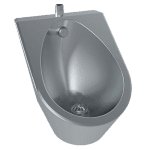
In the area of public and private restrooms, the urinal stands as an essential fixture for male hygiene. However, what may seem like a straightforward piece of plumbing actually comes in various shapes, sizes, and configurations. From traditional wall-mounted models to innovative waterless designs, the world of urinals offers a diverse array of options to suit different preferences and needs.
Understanding Urinal Varieties
Wall-Mounted Urinals: Wall hung urinals are the most common type of urinals found in public restrooms and commercial settings. They are typically installed directly on the wall and are available in various sizes and configurations, including single, multiple, or trough-style units.
Floor-Mounted Urinals: Unlike wall-mounted urinals, floor-mounted urinals are installed on the floor and may be used in spaces where wall mounting is not feasible. They are less common but offer flexibility in installation and positioning.
Waterless Urinals: Waterless urinals use innovative technology to eliminate the need for water flushing, making them environmentally friendly and cost-effective. They utilize a liquid sealant to trap odors and prevent drain blockages, making them ideal for water conservation efforts.
Flushometer Urinals: Flushometer urinals are equipped with a flushometer valve that releases a precise amount of water to flush the urinal after each use. They offer efficient flushing performance and are commonly found in commercial and institutional settings.
Sensor-Activated Urinals: Sensor-activated urinals feature motion sensors that detect the presence of a user and trigger the flushing mechanism automatically. These urinals promote hygiene by eliminating the need for manual flushing and reducing the risk of cross-contamination.
Factors to Consider
Space and Layout: Consider the available space and layout of the restroom when choosing the type of urinal. Wall-mounted urinals are space-efficient and suitable for high-traffic areas, while floor-mounted urinals offer flexibility in installation but may require more floor space.
Water Efficiency: Waterless and sensor-activated urinals are environmentally friendly options that help conserve water and reduce utility costs. Consider the water efficiency rating and sustainability features of each urinal model to make an informed decision.
Maintenance Requirements: Different types of urinals have varying maintenance requirements. Waterless urinals require regular maintenance of the liquid sealant and trap, while flushometer urinals may require periodic servicing of the flushometer valve and plumbing system.
Cost Considerations: The cost of urinals varies depending on the type, brand, and features. Consider the initial purchase price, installation costs, and long-term maintenance expenses when evaluating the overall cost-effectiveness of each urinal option.
Installation and Maintenance Tips
Professional Installation: Ensure that urinals are installed by qualified plumbing professionals to ensure proper placement, secure mounting, and compliance with local building codes and regulations.
Regular Cleaning and Maintenance: Establish a routine cleaning and maintenance schedule to keep urinals clean, hygienic, and in optimal working condition. Use appropriate cleaning agents and follow manufacturer recommendations for maintenance procedures.
Inspect for Leaks and Damage: Regularly inspect urinals for signs of leaks, damage, or malfunctioning components. Address any issues promptly to prevent water wastage, odors, and potential plumbing problems.
Educate Users: Provide clear instructions and signage to educate restroom users on proper urinal usage, including flushing procedures and water-saving practices.
Conclusion: Choosing the Right Urinal
The world of urinals offers a diverse range of options to meet different needs and preferences. Whether you're outfitting a public restroom, commercial facility, or residential space, understanding the various types of urinals and their features is essential for making an informed decision.
Consider factors such as space requirements, water efficiency, maintenance considerations, and installation requirements when choosing the right urinal for your needs. By selecting the appropriate type of urinal and following best practices for installation and maintenance, you can ensure a hygienic, efficient, and user-friendly restroom experience for all.